Silent Takeover: How We Hacked Authentication Flows to Compromise 2000+ Healthcare Tenants with Zero Clicks
Introduction
During a recent VAPT (Vulnerability Assessment and Penetration Testing) engagement, Mayur Pandya and I discovered a critical authentication flaw in a [Redacted] healthcare and biotech inventory management platform. This platform, used by research labs, universities, and biotech companies worldwide, was still in active development but already handling sensitive patient data, lab inventory systems, and clinical trial records.
What started as a simple black-box assessment turned into one of the most significant authentication vulnerabilities we’ve ever encountered. This flaw affected over 2,000 tenants and enabled account takeover (ATO) without user interaction. In this write-up, we’ll dissect how we exploited a chain of misconfigurations to bypass 2FA, SAML, and LDAP, ultimately logging in as any user on any tenant with zero clicks.
Phase 1: The JavaScript Clue and Decoding Authentication Logic
Finding the Authentication Map
During static analysis, we uncovered a minified JavaScript file (auth.prod.js) loaded on the login page. Buried in the code was a critical function:
// auth.prod.js
const authMethods = {
  1: "basic",
  2: "ldap",
  3: "2fa",
  4: "saml"
};
This code revealed four authentication methods: Basic Auth, LDAP, 2FA, and SAML. But how did the platform decide which method to use for a tenant?
Intercepting the Authentication Decision
By proxying traffic through Burp Suite, we observed a request to:
GET /api/auth/config
Response: {"auth_mode": "ldap"}
The role=2 parameter aligned with the JavaScript’s 2: "ldap" mapping. Our hypothesis: If we could manipulate this response, we could force the platform to use a weaker authentication method.
Phase 2: Forcing Basic Auth and Full Tenant Compromise
Step 1: Hijacking the Authentication Flow
Using Burp Suite’s Match and Replace rule, we modified the server’s response from {"auth_type": "ldap"} to {"auth_type": "basic"}. Instantly, the login page changed:
- Before: A corporate LDAP login button.
- After: A basic username/password form.
Step 2: OSINT Goldmine and Docker Hub Leaks
How a Forgotten Docker Image Became Our Treasure Trove
While we now had a way to force Basic Auth, we needed valid credentials.
The Docker Hub Discovery
I uncovered a public Docker Hub profile linked to the platform’s developers. Among the repositories was one named inventory-management, hosting three image tags:
inventory-management:latest(latest build)inventory-management:staginginventory-management:v1.2(older, deprecated version)
Cloning and Decompiling the Image
We pulled the v1.2 image (older versions often have hardcoded secrets!):
docker pull developer123/inventory-management:v1.2
docker save -o inventory-v1.2.tar developer123/inventory-management:v1.2
Extracting the TAR archive, we found a Java JAR file: inventory_dev.jar.
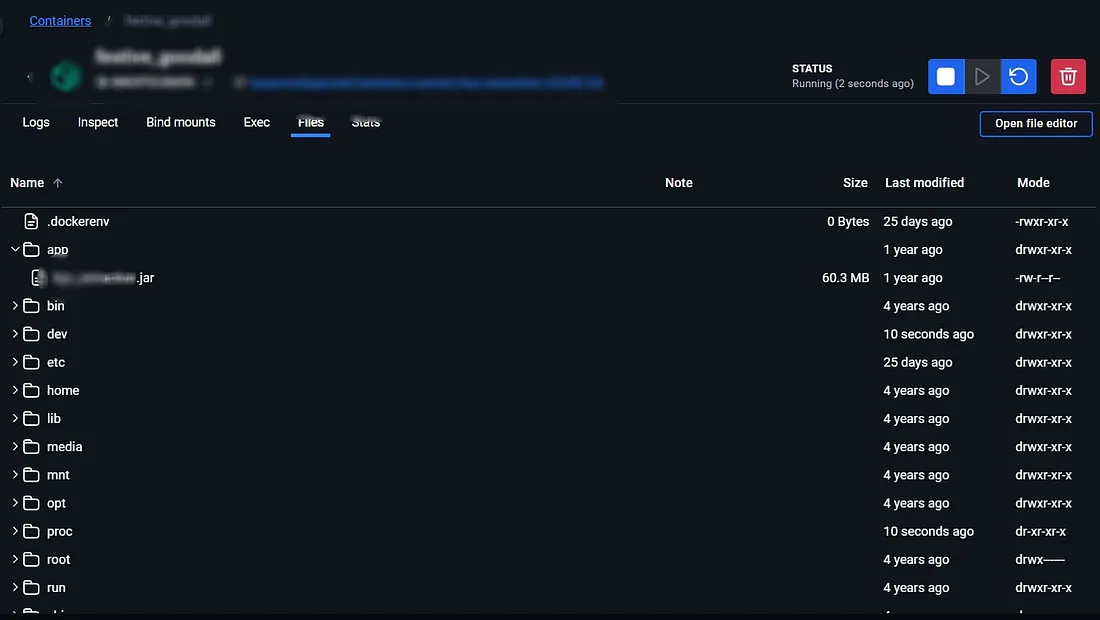
Reverse-Engineering the JAR
Using Jadx-GUI, we decompiled the JAR and stumbled upon a critical file:
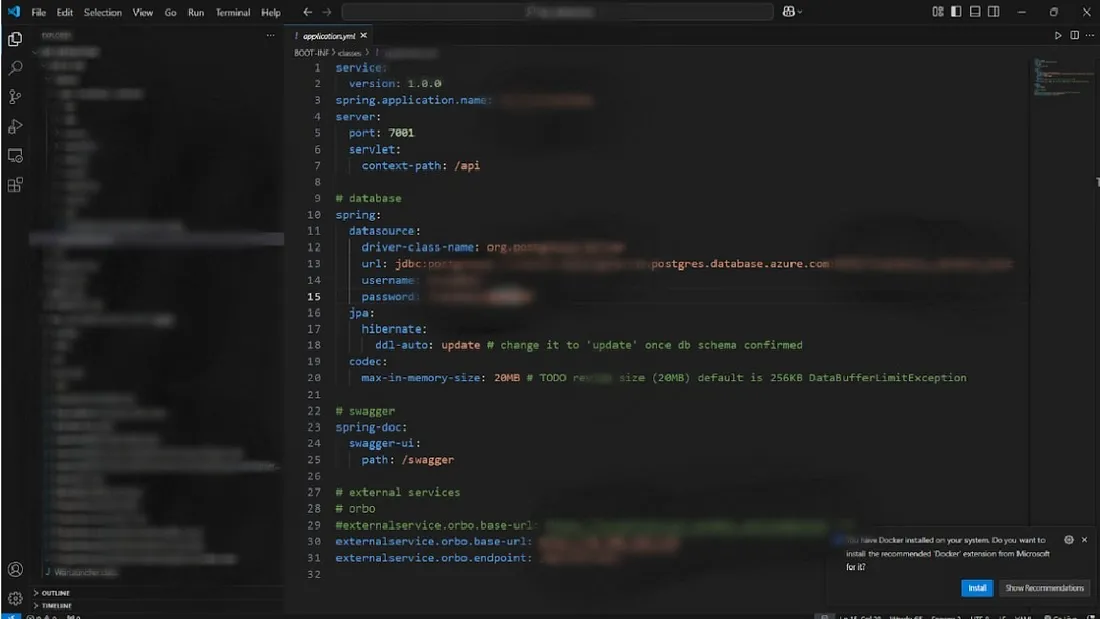
# application.yaml
username: admin
password: Redacted
This file contained hardcoded credentials and a password pattern that matched other files in the repository.
Step 3: Cracking the Credential Pattern
Using the pattern & password:
- Username: Redacted (from the Docker image)
- Password: Redacted
Result: Successful login into multiple tenants. We could now access patient records, lab equipment controls, and clinical trial datasets.
Phase 3: The SAML Nuclear Option and 0-Click Takeover of 2000+ Tenants
The SAML Deep Dive
After exploiting the Basic Auth bypass, Mayur and I shifted focus to SAML. The platform’s SSO flow was complex, but we spent some time dissecting it:
Normal SAML Workflow:
- User clicks “Login with SAML”.
- Redirected to the Identity Provider (IdP), e.g., Azure AD.
- After successful login, the IdP sends a SAML response to the platform.
- The platform validates the response and logs the user in.
But during testing, we noticed an oddity. After the SAML response was processed, the platform made a server-side POST request:
POST /saml/v1/assertion
Body: {"user_id": 101}
Response: {"token": "eyJhbGciOiJSUzI1NiIsIn..."}
The Lightbulb Moment
The userId parameter was a simple integer. We wondered:
- What if we could control this value?
- Does the platform validate if the user actually authenticated via SAML?
Testing with Burp Intruder:
- Intercepted the POST request.
- Set
userIdto§101§(payload position). - Launched an attack with payloads from 1 to 1000.
Result: Every response contained a valid JWT token for the specified userId. We could impersonate any user by incrementing the userId!
Bypassing SAML Entirely: The 0-Click Trick
But there was a catch: to trigger this endpoint, we needed a valid SAML response first. Or did we?
The Hidden URL Pattern
While testing random endpoints, we stumbled on a URL that skipped the SAML flow entirely:
https://{tenant}.redacted-portal.com/login?id=101
Appending ?id=101 to the login page:
- Skipped the IdP redirect.
- Directly called
/Saml/v1/assertionwith the providedid. - Returned a token for
userId=101without any authentication.
How? The platform had no validation to check if the user actually completed SAML authentication. The id parameter was trusted blindly.
Phase 4: The Devastating Scale and Mass Compromise of 2000+ Tenants
Step 1: Mapping the Attack Surface
With recon, I uncovered 2,000+ tenant subdomains, including:
lab-ny.healthportal.comcure-cancer.healthportal.com
40% of these tenants used SAML or LDAP.
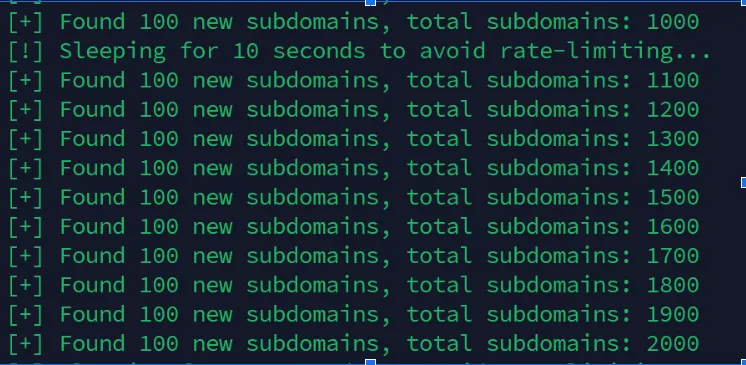
Step 2: Automated Exploitation
We wrote a script to:
- Force SAML authentication for each tenant.
- Iterate through
uidvalues (1–1000) to hijack accounts.
Impact:
- Attackers could log in as any user (admins, researchers, doctors)
- Delete/modify clinical trial data
- Leak patient health records
- Sabotage lab equipment configurations
The Bigger Picture: Lessons Learned
- Authentication Type Switching is Dangerous: Never trust client-side input to dictate auth methods.
- SAML Implementations are Fragile: Always validate assertions and enforce IdP-side session checks.
- Default Credentials in Developer Artifacts: These are a ticking time bomb.
- Missing Authorization Checks: The token endpoint didn’t verify if the user authenticated via SAML.
- Incremental User IDs: User accounts were assigned predictable numeric IDs.
Final Words
We hope you enjoyed this deep dive into one of the most critical authentication flaws we’ve ever uncovered. This discovery was possible only because of the relentless teamwork between Mayur Pandya and me. Shoutout to Mayur’s expertise in authentication bypass techniques!
This is just the beginning. In Part 2, we’ll dive deeper into another great writeup on Authentication & Authorization flows.
Follow Us for More
Stay connected for more ethical hacking insights, bug bounty tips, and real-world case studies:
If you found this write-up useful, share it with your network! Together, let’s make the internet safer, one vulnerability at a time. 🛡️
Happy Hacking!
Tushal & Mayur